Seoul guides for visitors
36 short guides to how Seoul's bathhouses, massage, head spas and restaurants work, and to booking, paying and getting around as a visitor. Each guide is written from the public sources listed on it and was reviewed before publishing.
Open the map to find places.
How things work

Most international visitors to Korea need an arrival card, and you can submit it online before you land.
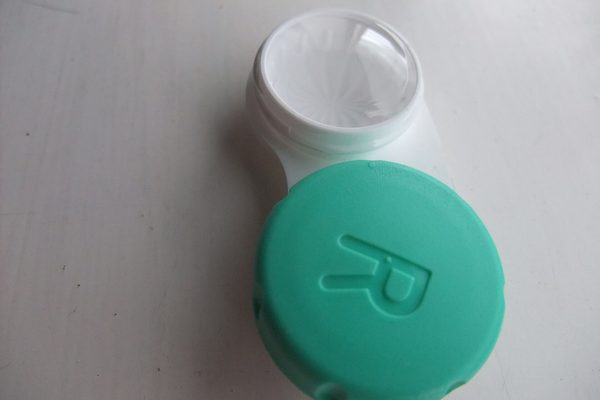
In Korea, contact lenses are sold by opticians (안경사) in optical shops, and that includes colored lenses that don't correct your sight.
This is the most common worry we see, and the honest answer is that it often depends on the individual person standing in front of you, not on the business.
The workflow visitors describe is usually the same.
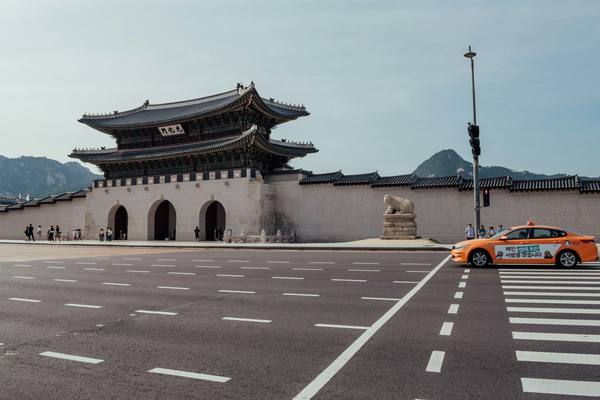
Getting to the place is usually the part that decides whether you go at all, so here is the short version.
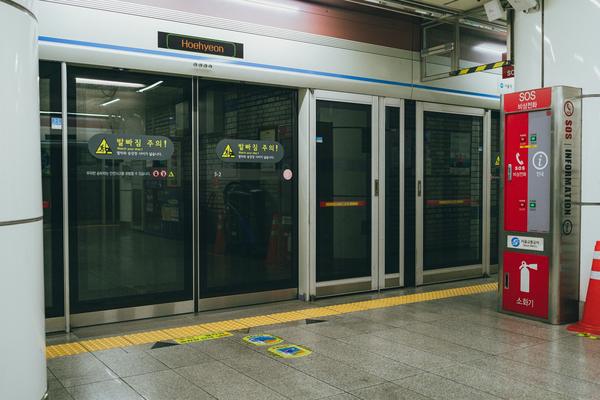
Korea has public lines for most things that can go wrong on a trip, and several of them work in English.
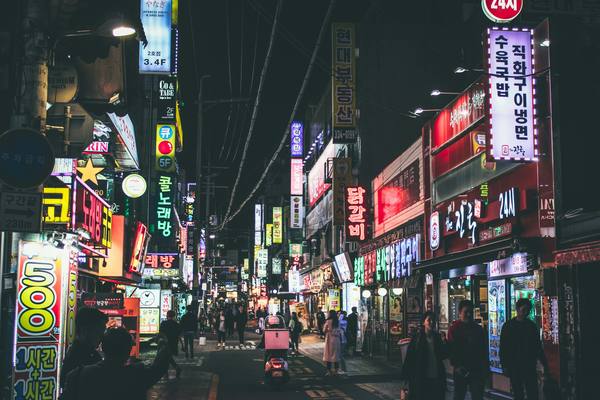
According to the Korea Tourism Organization's public holiday page (checked Sep 2026), some businesses close for several days in a row around Seollal and Chuseok, and posted opening hours often do not show this.
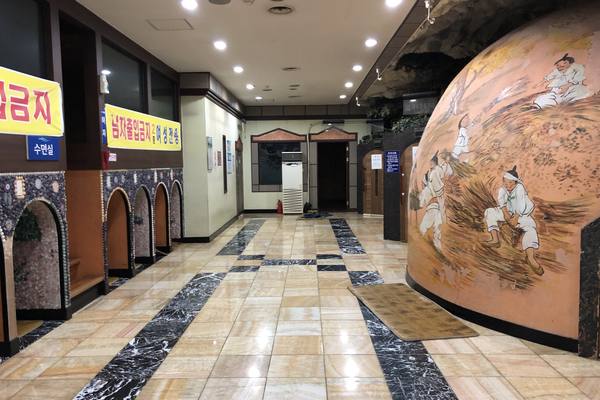
A jjimjilbang is a Korean bathhouse with a shared, heated sauna floor.

A noraebang (노래방) is a private singing room.
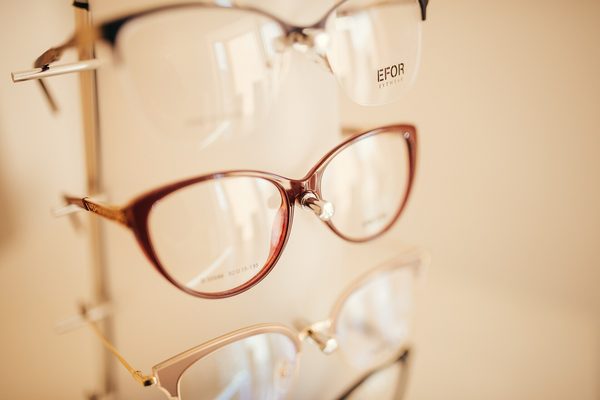
In Seoul you can often walk into an optical shop (안경원), choose a frame and leave with glasses the same day.
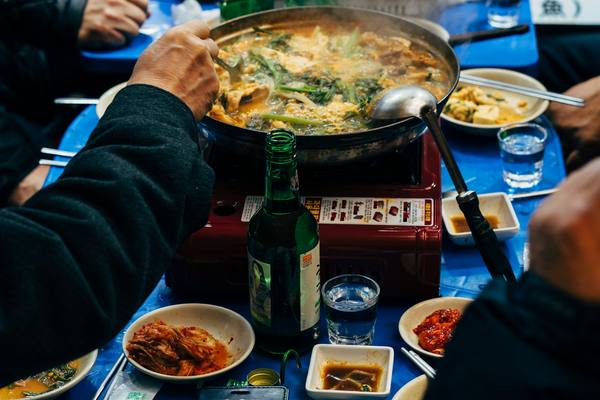
A handful of conventions explain most of what surprises people at a Korean table.
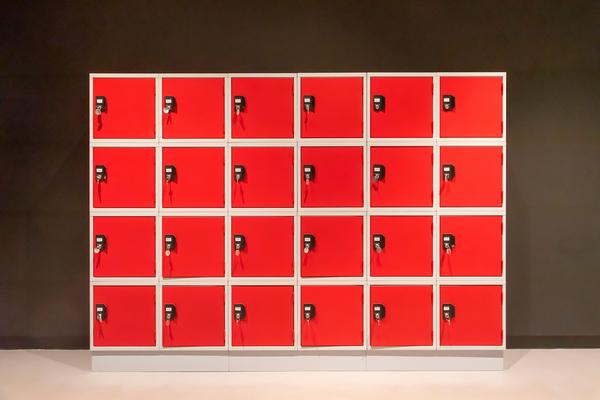
Landing at dawn or killing a long layover is easier once your bags are off your back.
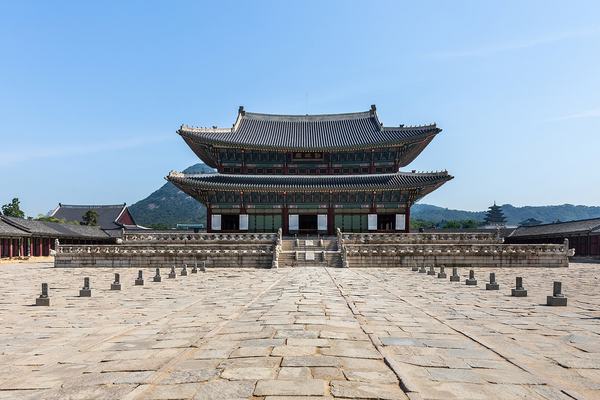
Each of Seoul's main palaces and Jongmyo Shrine closes on one fixed weekday, and not all on the same day.
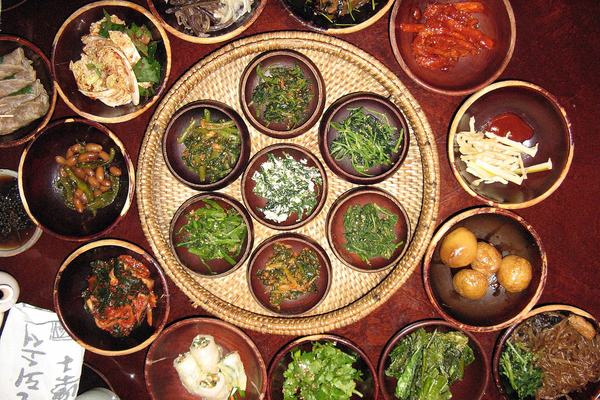
Korean cooking often hides animal ingredients in broths and seasonings, and halal labels mean different things.
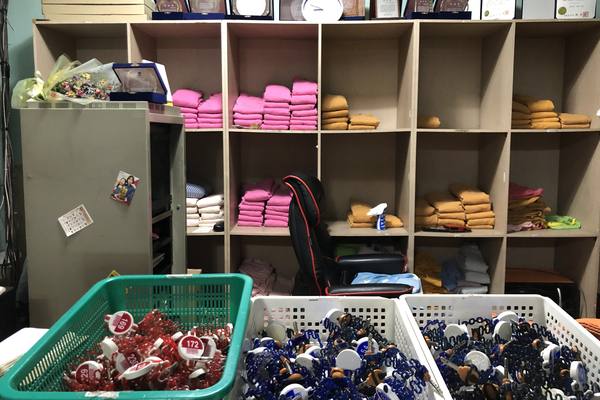
A jjimjilbang has two dress codes in one building.
Etiquette and house rules
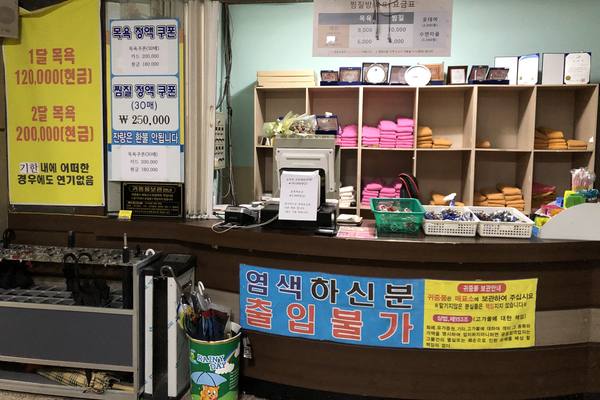
A lot of people are not asking where to go.
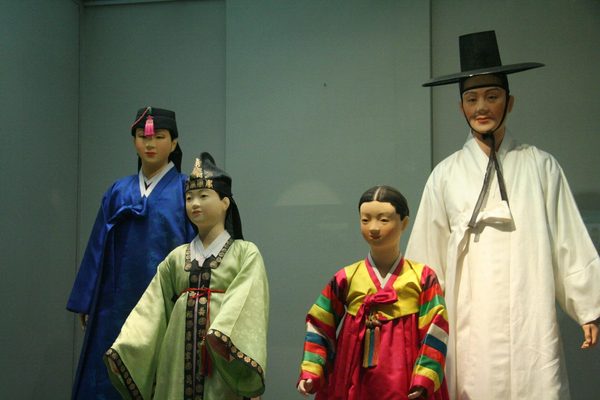
The Royal Palaces and Tombs Center, which runs Gyeongbokgung, Changdeokgung, Changgyeonggung, Deoksugung and Jongmyo, lists people wearing hanbok among the visitors who get in free (fee page, checked Sep 2026).
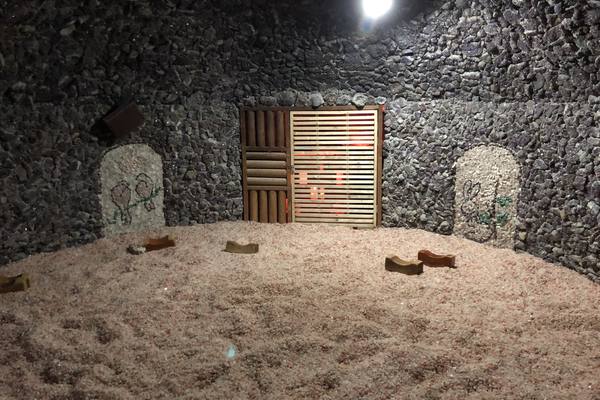
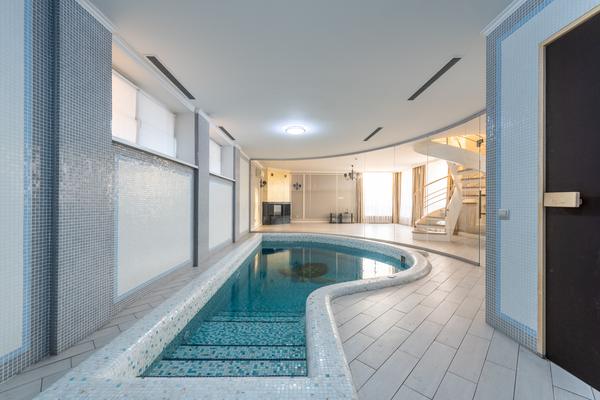
Most jjimjilbang manners come down to a few habits: wash before you get in the water, keep the small towel out of the pool, leave your phone in the locker, keep your voice down on the shared floor, and do not overdo the heat.
The national hygiene rules for bathhouses say nothing about tattoos, and we know of no national rule about tattoos in gyms.
What it is
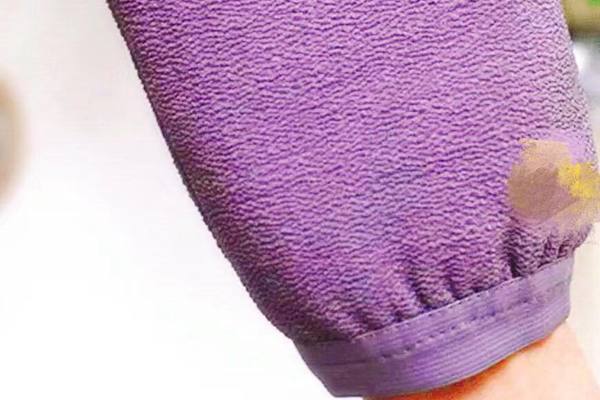
Seshin is the scrub.
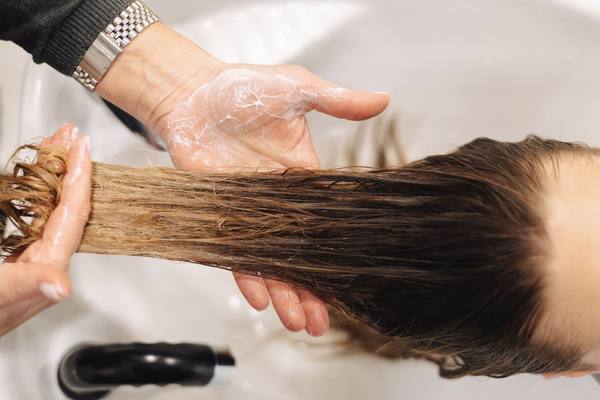
A head spa is a scalp and hair service you book at a salon or at a shop that does nothing else.
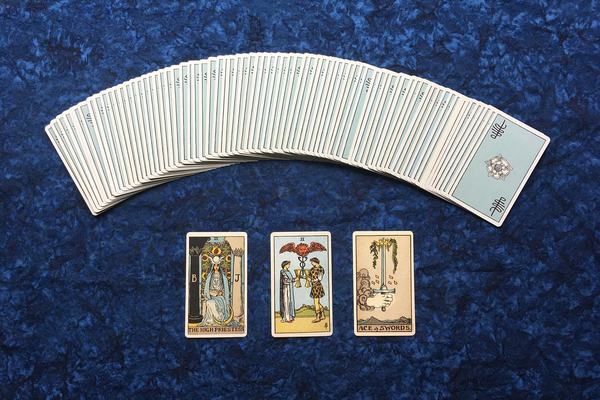
Saju and tarot cafés are easy to find in busy parts of Seoul, such as around Hongdae and Jongno.
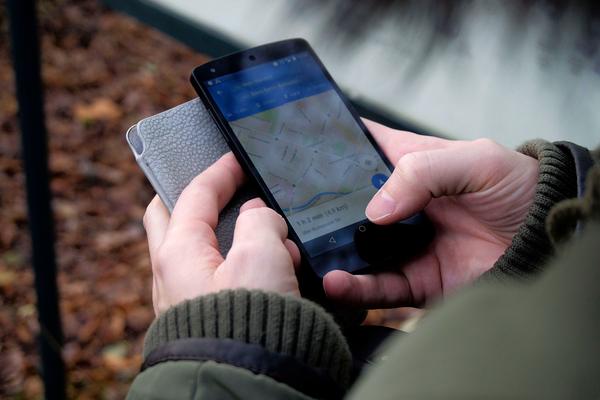
If you have looked up a salon or a bathhouse here, you may have noticed that the reviews often look uniformly glowing, and that this makes them less useful rather than reassuring.
Booking
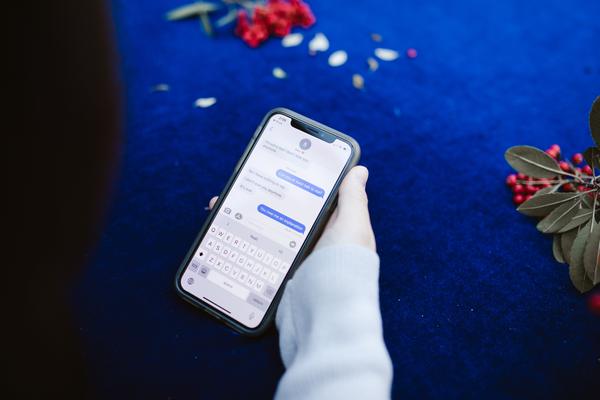
Some small salons, head spa shops and studios take bookings through a direct message on social media.
Some Korean services ask you to prove who you are with a Korean mobile number before you can book.
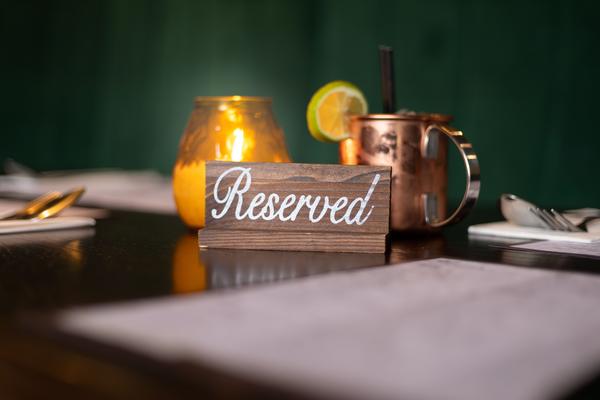
Restaurant bookings here run through four kinds of channel, and a restaurant often uses only one of them.
Money and paying

Korea has two ways for a visitor to shop without paying Korean tax: a duty-free shop, where tax is never added to the price, and the tax refund at ordinary shops such as department stores, where you pay the full price and get the tax back.
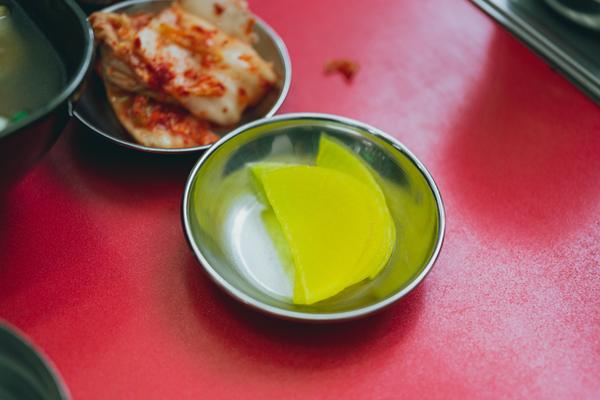
Tipping is not a custom here, and service staff do not expect it.
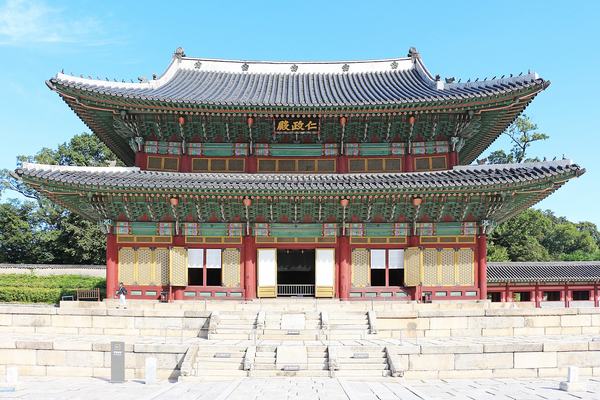
The integrated palace ticket covers one visit each to Gyeongbokgung, Changdeokgung, Changgyeonggung, Deoksugung and Jongmyo, and it is valid for six months from the day you buy it (Royal Palaces and Tombs Center fee page, checked Sep 2026).
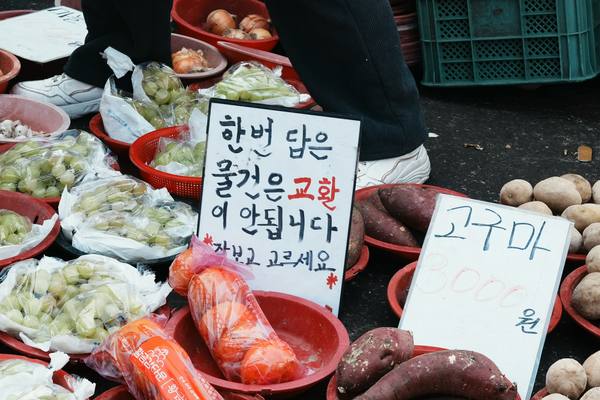
Cards work almost everywhere in Korea, and an overseas Visa or Mastercard usually goes through, but a few counters still want cash.
Visitors staying in Korea for up to six months can get back the tax on goods from shops in the tax refund scheme.
Where we draw the line
Anma is a massage profession that Korean law reserves for visually impaired practitioners.
Factual information only, not a medical recommendation.
One English word, several different things.
Korea's Tattooist Act takes effect on Oct 29, 2027.
Factual information only, not a medical recommendation.